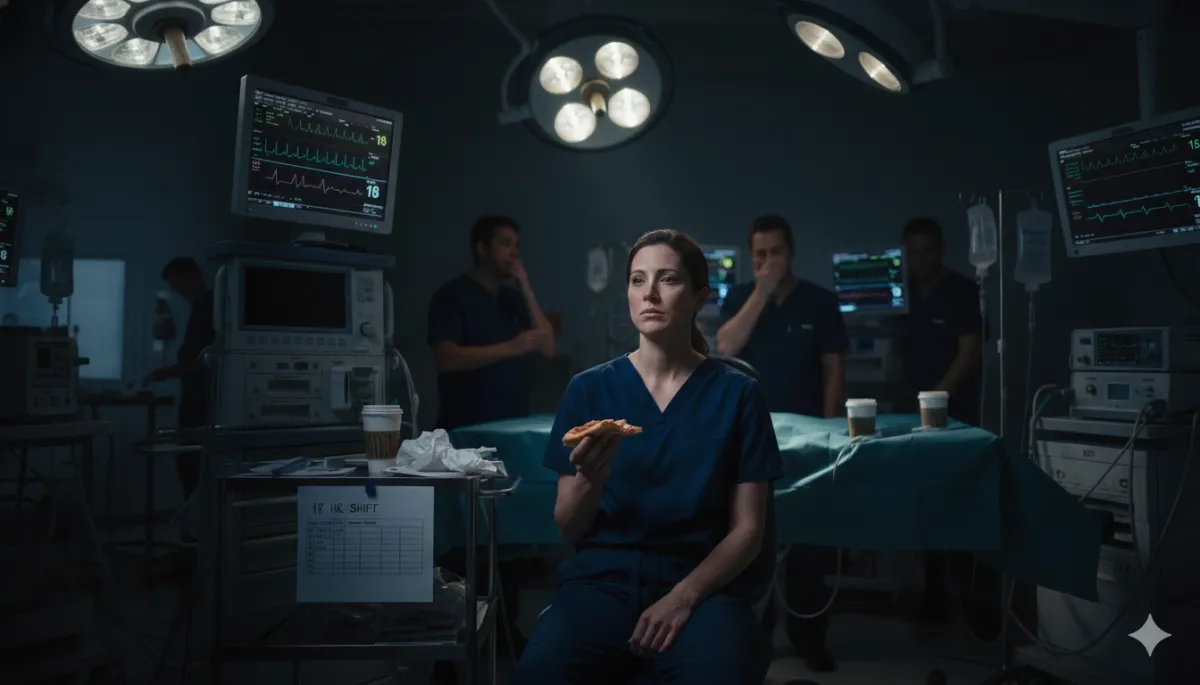
When Anesthesia Burnout Puts Patients at Risk: A Problem Healthcare Can’t Ignore
Burnout is no longer just a personal problem for healthcare workers.
It has become a system-wide crisis—and patients are starting to feel the effects.
Across hospitals and surgery centers, anesthesia professionals are exhausted. Long hours, short staffing, constant schedule changes, and pressure to “do more with less” are pushing providers to the edge.
When anesthesia teams are burned out, patient safety is at risk.
This is not about people being weak.
This is about systems that are no longer sustainable.
What Is Anesthesia Burnout?
Burnout happens when someone is physically and mentally exhausted for too long without enough support.
For anesthesia professionals, burnout often looks like:
Chronic fatigue
Mental overload
Loss of focus
Emotional detachment
Feeling rushed or overwhelmed
Higher rates of call-outs and turnover
Burnout does not mean a provider no longer cares.
It means they have been asked to carry too much for too long.
Why Burnout Is Growing in Anesthesia Staffing
Anesthesia staffing shortages are one of the biggest drivers of burnout today.
When there are not enough providers:
Schedules become unpredictable
Providers work longer days
Breaks disappear
Call coverage increases
Recovery time shrinks
Over time, even the best clinicians struggle to keep up.
Burnout is not caused by one bad day.
It is caused by unstable anesthesia staffing systems.
How Burnout Affects Patient Safety
Burnout does not stay invisible. It shows up in patient care.
When anesthesia professionals are exhausted:
Attention to detail drops
Communication becomes rushed
Small issues are easier to miss
Reaction times slow
Stress levels rise in the OR
These are not character flaws.
They are human limits being exceeded.
Patient safety depends on alert, focused, and supported providers.
The Daily Reality Inside Hospitals and Surgery Centers
Many facilities are seeing the same warning signs.
Constant Schedule Changes
Last-minute coverage gaps force anesthesia teams to adapt on the fly.
This creates stress and mental fatigue.
Frequent Call-Outs
Burned-out providers are more likely to call out sick—not because they want to, but because they have no energy left.
Shortened Turnovers and Rushed Care
When teams are understaffed, pressure builds to move faster.
Speed replaces preparation, and safety suffers.
Why Traditional Anesthesia Staffing Models Fuel Burnout
Many traditional staffing models focus on coverage, not sustainability.
They rely on:
Rotating providers
Temporary fixes
Overtime instead of system improvement
Reactive scheduling
This approach may fill shifts—but it slowly burns out the workforce.
Burnout is not an individual failure.
It is a design flaw.
CRNA Burnout: A Growing Concern
CRNAs are critical to anesthesia care in hospitals and surgery centers.
They often carry heavy clinical and operational responsibility.
When CRNA staffing is unstable:
Workloads increase
Support decreases
Burnout accelerates
Turnover rises
This creates a cycle where staffing shortages cause burnout, and burnout causes more staffing shortages.
Burnout Hurts More Than Providers
When burnout spreads, everyone feels it.
Facilities experience:
Lower patient satisfaction
Decreased surgeon confidence
Higher turnover costs
Inconsistent OR flow
Long-term staffing instability
Burnout is expensive—financially and clinically.
Predictable Anesthesia Staffing Reduces Burnout
Burnout is not inevitable.
It can be reduced with better staffing systems.
Predictable anesthesia staffing helps by:
Creating stable schedules
Reducing last-minute changes
Allowing real recovery time
Improving teamwork
Supporting provider well-being
When providers know what to expect, stress drops and focus improves.
From Burnout to Balance: A Better Way Forward
Facilities that address burnout shift their thinking.
Instead of asking:
“How do we cover the schedule?”
They ask:
“How do we protect our people so they can protect patients?”
This leads to:
Smarter staffing models
Proactive planning
Better anesthesia team integration
Stronger patient safety outcomes
Why Burnout Prevention Is a Patient Safety Strategy
Burnout is often discussed as a workforce issue.
In reality, it is a patient safety issue.
Alert, supported anesthesia professionals:
Communicate better
Catch risks earlier
Make safer decisions
Deliver calmer, more consistent care
Protecting providers protects patients.
A Simple Truth Healthcare Leaders Must Face
You cannot deliver safe anesthesia care with exhausted teams.
Burnout is a warning sign—not a weakness.
It signals that the system needs to change.
Healthcare leaders who prioritize:
Sustainable anesthesia staffing
Stable CRNA staffing
Provider well-being
will build safer, stronger, and more resilient facilities.
The Path Forward
Burnout does not disappear with motivational talks or pizza lunches.
It improves when systems improve.
Facilities that invest in reliable, patient-focused anesthesia staffing models reduce burnout, stabilize teams, and protect patient safety.
In the end, caring for patients starts with caring for the people who care for them.
