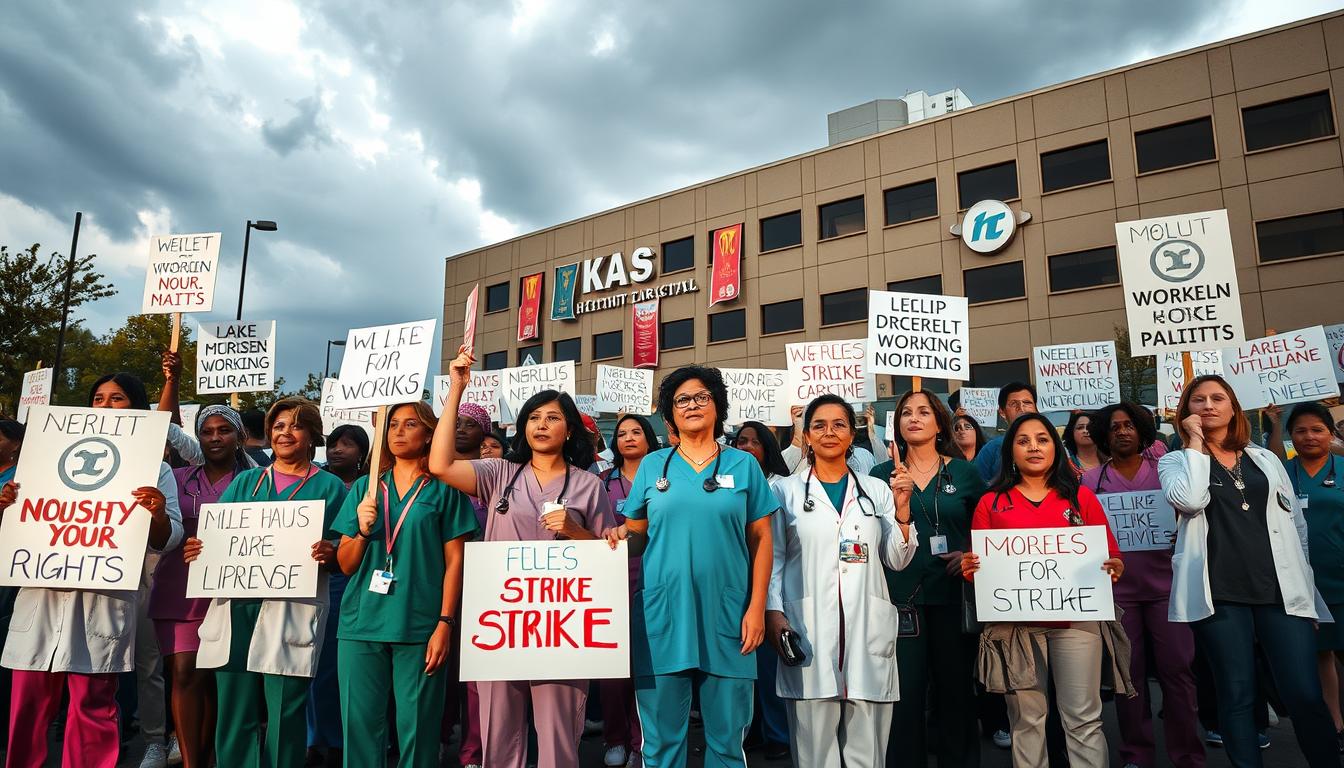
Kaiser Permanente Faces Leadership Test as Strike Begins Across Multiple States
A strike involving 31,000 nurses across multiple states has brought attention to the pressing issues in the healthcare system. These include staffing shortages and wage disputes. As an ASC leader, you're likely no stranger to these challenges.
The healthcare worker strike highlights the operational challenges that healthcare facilities face. These include nurse burnout and staffing shortages. You understand the importance of maintaining operational predictability and surgeon trust in your ASC.
The parallels between the challenges faced by Kaiser Permanente and those faced by ASCs are clear. By understanding the root causes of these challenges, you can better navigate the complexities of your own operations.
The Daily Battle: Life Inside an ASC When Systems Fail
When systems fail in an ASC, the daily battle to maintain efficiency and trust begins. The recent strike showed how important effective staffing and communication are in healthcare. It revealed how fragile ASC operations can be.
Morning Chaos: The Domino Effect of First-Case Delays
First-case delays start a chain reaction, causing other procedures to run late. This domino effect disrupts the whole day. It affects surgeon trust and patient satisfaction.
The Surgeon's Glare: Facing Disappointment Daily
Surgeons need a smooth and efficient operation. When delays happen, their frustration grows. This erodes trust in the ASC's ability to manage their schedule well.
When Patient Charts Aren't Ready: Preventable Crisis Points
Patient chart readiness is key for a smooth operation. Unprepared charts cause delays, cancellations, and stress for staff and surgeons. This shows the need for better patient chart readiness protocols.
Kaiser Permanente Leadership Response: Lessons for ASC Administrators
Kaiser Permanente is dealing with a strike across several states. Their leadership response teaches ASC administrators important lessons. They show how to handle communication, resource allocation, and service standards during tough times.
Communication During Crisis: What Kaiser Got Right and Wrong
Good communication is key during a crisis. Kaiser Permanente is keeping staff updated on the strike's effects and their plans to fix it. This shows the value of being open and clear.
But, there are also things Kaiser could have done better. Keeping staff and others informed helps manage worries and expectations. ASC leaders can learn from this by making sure their teams know about any issues and how they're being solved.
Resource Allocation Strategies During Workforce Disruption
Kaiser Permanente's handling of resources during the strike is worth noting. By seeing how they manage resources, ASCs can find ways to deal with their own workforce issues.
Maintaining Service Standards When Systems Are Strained
Keeping service standards high during a strike is a big challenge. Kaiser Permanente's efforts to keep services running show ASCs how to handle this.
By focusing on patient care and using resources wisely, ASCs can keep their standards high. This means planning well, keeping everyone informed, and aiming for top-quality care.
The Trust Deficit: Why Surgeons Are Losing Faith in ASCs
Surgeons are losing faith in ASCs because of operational problems. When promises are broken and disappointments happen often, trust starts to fade.
Broken Promises and Repeated Disappointments
Delays and cancellations are major trust issues. Surgeons doubt the value of working with ASCs when they can't count on them. Keeping operations smooth is vital for surgeon trust.
The Cost of Poor Communication Between Teams
Poor team communication causes many problems. It leads to delayed surgeries and unhappy patients. This not only hurts the current situation but also affects long-term surgeon trust and loyalty.
When Surgeons Start Looking Elsewhere
When trust is lost, surgeons look for other places to work. This means less business for the ASC as surgeons take their work and patients elsewhere. Keeping reliable operations and effective communication is essential to keep surgeons loyal.
Focus on patient optimization and cut down on ASC cancellations to stay competitive and keep surgeon trust high.
Staff Shortages: The Silent ASC Killer
ASCs are facing a silent threat: staff shortages that could end their operations. The recent strike has made this issue clear. It shows how ASCs are at risk when staff is missing.
The Ripple Effect When CRNAs Call Out
When CRNAs are out, ASCs feel it. Delayed cases, rescheduled patients, and frustrated surgeons are common problems. These issues can hurt patient happiness and reduce surgeries.
Cross-Training vs. Specialization: Finding the Balance
ASCs need to balance cross-training and specialization to deal with staff shortages. Cross-training offers flexibility, but specialization is key for complex surgeries. Effective staffing models must balance these to keep operations smooth.
Creating Staffing Models That Anticipate Instead of React
ASCs should plan ahead for staffing needs, not just react to shortages. By using past data and forecasting, they can lessen the effects of staff shortages. This helps keep operations running smoothly.
The Dream of Operational Predictability
In the world of ASCs, predictability is key to success. You dream of a day where everything runs smoothly. Operational predictability is vital for a well-run ASC, boosting surgeon trust and patient happiness.
Creating Systems for Zero-Surprise Workflows
To get to zero-surprise workflows, focus on systems that reduce surprises. This means thorough preoperative checks, reliable anesthesia, and clear team communication. By cutting down on surprises, you make your ASC more efficient and predictable.
Establishing Reliable First-Case Start Protocols
First-case starts set the day's tone. Reliable protocols mean all documents are ready, patients are prepped, and teams are coordinated. Getting the first case right helps the rest of the day flow better.
What "On Time, Every Time" Actually Requires
To be "on time, every time," you need a detailed plan. It's not just about being punctual but also being prepared. Having the right staff and equipment ready is essential. This focus on details builds a reliable culture, benefiting patients and staff alike.
Striving for operational predictability boosts your ASC's efficiency. It makes surgeons happier and patients more satisfied. It's a journey that needs constant attention to detail and a dedication to excellence.
Anesthesia-Driven Pre-Op: Transforming Patient Readiness
Anesthesia-driven pre-op is changing how we get patients ready for surgery. It uses the skills of CRNAs to make pre-op assessments better and faster.
Early Identification of High-Risk Patients
One big plus of anesthesia-driven pre-op is spotting high-risk patients early. CRNAs can check patients carefully to find problems before they get worse. This helps ASCs give better care and avoid surgery delays.
CRNA Preoperative Assessment Excellence
CRNA-led pre-op checks are key to good anesthesia-driven pre-op. When CRNAs do these checks, ASCs can make patients ready faster. This makes patients do better, makes surgeons happier, and builds trust in the ASC.
Building Communication Standards That Prevent Delays
Good communication stops delays and keeps things running smoothly. ASCs can set clear rules for talking between teams. This teamwork is essential for getting patients ready fast and keeping everyone happy.
Using anesthesia-driven pre-op, ASCs can make patients ready faster, cut down on delays, and work better. This helps patients and makes the job better for CRNAs and others too.
The Financial Reality of Operational Chaos
Operational chaos in ASCs is not just annoying. It also costs a lot. When things go wrong, it hurts the money side and the care quality too.
Calculating the True Cost of First-Case Delays
First-case delays are not just a hassle; they're expensive. Each delay means lost money because the ASC can't use its resources fully. You must figure out the real cost, including the impact on future cases.
How Unnecessary Cancellations Destroy Profitability
Day-of-surgery cancellations are very bad for business. They waste time and money, from OR to staff overtime. Finding out why these happen is key to keeping profits up.
Overtime Expenses: When Poor Planning Hits the Bottom Line
Overtime costs can grow fast if planning is off. Bad scheduling and workflows make staff work longer, raising costs without benefits. Look at your scheduling to cut down on overtime.
Fixing these issues can greatly help your ASC's finances. It's about building a culture of efficiency and dependability.
Creating the ASC Surgeons Dream About
Surgeons want an ASC that works perfectly every time. To make this happen, you must know what they really need from their work space.
The Perfect Day: What Surgeons Really Want
A perfect day in an ASC means on-time starts, ready patients, and minimal disruptions. Surgeons want to concentrate on their work without any problems. A well-organized environment helps them stay focused and perform at their best.
Building Confidence Through Consistent Performance
Consistency builds trust between surgeons and the ASC team. When surgeons trust the staff to be ready and handle problems, their confidence grows. This trust is essential for strong partnerships and better patient care.
From Adversaries to Partners: Aligning Surgical and Anesthesia Teams
It's important for the surgical and anesthesia teams to work together well. When they do, they can meet each other's needs and solve problems better. This teamwork is based on clear communication and mutual respect, leading to better care and happier surgeons.
By focusing on these key points, you can make an ASC that surgeons will love. This leads to better results and a more efficient operation.
Patient Optimization: Solving Problems Before They Begin
Getting patients ready for surgery is key to a smooth operation. When patients are well-prepared, the chance of problems and last-minute cancellations goes down a lot.
Preoperative Screening That Actually Works
Good preoperative screening is the base of patient optimization. It checks for health risks that could affect surgery. By finding these issues early, ASCs can act fast to lower risks.
When to Optimize and When to Postpone
Knowing when to prepare patients and when to delay surgery is important. This choice is based on what preoperative screenings show. Optimizing patients with manageable conditions can lead to better surgery results.
Creating Patient Readiness Protocols That Stick
Creating patient readiness protocols that work well and consistently is vital. These protocols should follow best practices and fit the ASC's specific needs. By using these protocols, ASCs can make sure patients are always ready for surgery.
By focusing on patient optimization, ASCs can cut down on chaos, improve patient results, and boost efficiency overall.
Building CRNA Loyalty in a Competitive Market
As the demand for skilled CRNAs grows, ASCs must find ways to keep their top talent. Retaining CRNAs in a competitive market is a big challenge. It requires a detailed plan that meets their needs and concerns.
Why Your Best CRNAs Are Looking Elsewhere
Knowing why CRNAs leave is key to keeping them. Limited career growth, low pay, and bad work places are common reasons. By understanding these, ASCs can start making changes.
Career development opportunities are important for CRNA job happiness. Giving them chances to grow can keep them from leaving.
Creating an Environment Where Anesthesia Providers Thrive
A supportive work place is vital for CRNA loyalty. This means having the right tools and a team that respects each other. Such an environment boosts job happiness and cuts down on turnover.
Regular team-building activities and open talks help make the workplace better. This makes it easier for CRNAs to do their best work.
Measuring and Responding to Team Feedback
Listening to CRNAs and acting on their feedback is key to loyalty. Surveys, focus groups, and personal meetings offer insights. By making changes based on this feedback, ASCs show they care about their staff's success.
Using team feedback to make improvements shows CRNAs their opinions matter. It proves the organization is committed to their growth and happiness.
Implementing Change: Transforming ASC Operations Without Disrupting Care
To change ASC operations without hurting care, you need a good plan. You must balance operational improvement with keeping patient care top-notch.
Starting Small: Pilot Programs That Drive Big Results
Starting with pilot programs is a smart move. They let you test new ideas on a small scale. This way, you can fix problems before they affect more patients.
Measuring What Matters: Metrics That Drive Improvement
Choosing the right metrics is key to real improvement. Look at things like how quickly you start surgeries, how fast you turn over rooms, and what patients say about their care. Tracking these helps you see where you can get better.
Creating Accountability at Every Level
Accountability is vital for lasting change. You must set clear goals and make sure everyone is working towards them. This way, you build a culture where everyone is committed to doing better.
Conclusion: From Crisis to Opportunity
The recent strike at Kaiser Permanente shows how key crisis management and operational resilience are for Ambulatory Surgery Centers (ASCs). ASC leaders face big challenges when their workforce is disrupted. They must find ways to keep care going and keep things running smoothly.
Looking at the strike's impact and what we've learned, ASCs can turn these problems into chances for growth. Good ASC leadership means setting up strong systems to handle disruptions. It also means building a culture of trust and reliability among everyone involved.
To make your ASC more predictable, focus on starting surgeries on time, making sure patients are ready, and keeping anesthesia reliable. This will make your ASC more efficient and improve care for patients and satisfaction for surgeons. The main thing is to value getting ready, talking well, and working together.
As you go forward, think about how to make your ASC more resilient. Use what you learned from the Kaiser Permanente strike to build a strong ASC that can handle tough times.
