
The Margin Squeeze in Outpatient Anesthesia: How Facilities Can Break Free
The Margin Squeeze in Outpatient Anesthesia: How Facilities Can Break Free
Ambulatory Surgery Centers (ASCs) are under a lot of financial stress. This is because they get paid less and costs keep going up. This squeeze on their margins is a big threat to their survival.
ASC leaders and administrators work hard every day. They aim for operational predictability and zero cancellations. But, it's tough with the financial challenges they face.

To get out of this tight spot, ASCs need to make their anesthesia services better. This will help them work more efficiently and keep their profits safe. We think a solid anesthesia partnership model is key to reaching this goal.
Key Takeaways
ASCs face financial pressures due to declining reimbursements and rising costs.
Operational predictability and zero cancellations are key to ASC success.
Optimizing anesthesia services is critical for better operational efficiency.
A reliable anesthesia partnership model can help ASCs break free from the margin squeeze.
ASCs must focus on ASC operational efficiency to protect their margins.
The Daily Reality of ASCs: Operational Challenges That Drain Profits
ASCs face many operational challenges every day. These issues affect their profits. Delays in starting the first case and unnecessary cancellations are big problems. They harm the facility's financial health and reputation.
The Ripple Effect of First-Case Delays
First-case delays can start a chain of problems. They lead to more delays, wasting time and resources. They also make patients unhappy.
Delays in preoperative preparations
Inefficient patient flow
Lack of coordination between departments
To fix these delays, we need to improve several areas. We must make preoperative processes better, get staff to work together better, and use efficient scheduling.
The Hidden Costs of Unnecessary Cancellations
ASCs also struggle with unnecessary cancellations. These cancellations mean lost money and extra costs for rescheduling. They also upset patients. Reasons for these cancellations include:
Incomplete preoperative assessments
Lack of necessary patient information
Unforeseen medical conditions
Strong preoperative screening can help. It makes sure patients are ready for surgery. This reduces cancellations.
When Surgeons Lose Faith in Your Facility
Surgeon satisfaction is key for an ASC's success. If surgeons lose confidence, it can hurt case volume and revenue. Reasons for this include:
Inefficient operating room turnover
Lack of reliable anesthesia services
Poor communication between surgical and anesthesia teams
By fixing these problems and creating a team environment, ASCs can keep surgeons happy. This helps maintain a good reputation.
Understanding the Outpatient Anesthesia Margins Crisis
ASCs face a big challenge with outpatient anesthesia margins. They need to focus on making anesthesia services and preoperative processes better. This is key to their financial health.
The Financial Impact of Anesthesia Inefficiencies
Anesthesia inefficiencies can cause big financial losses for ASCs. Delays, cancellations, and long recovery times use up resources and cut into profits. Efficient anesthesia care is vital for ASCs to stay financially stable.
Here's a table showing how anesthesia inefficiencies can hurt finances:

How Poor Preoperative Processes Erode Profitability
Poor preoperative processes hurt ASCs' profits a lot. Bad patient prep and info flow problems can cause last-minute cancellations and delays. Good preoperative protocols are key to avoiding these issues.
The True Cost of Operational Unpredictability
ASCs face big problems from anesthesia-related issues. These problems hurt finances, surgeon happiness, and patient care. Improving anesthesia-driven pre-op and patient optimization helps avoid these risks.
By working on predictability and efficiency, ASCs can get better financially and overall. They need to focus on strategies for better anesthesia, patient prep, and operational resilience.
The Communication Breakdown: When Anesthesia Teams and ASCs Misalign
When anesthesia teams and ASCs don't communicate well, it causes big problems. This can hurt patient happiness and the ASC's profits.
Inconsistent Information Flow Between Departments
Bad communication can cause delays and even cancel surgeries. Clear anesthesia communication standards are key. They help everyone share important patient and surgery details.
ASCs can avoid these issues by improving how they talk. Effective communication is vital. It needs teamwork from both sides.
Late-Stage Patient Issues: Prevention vs. Reaction
Problems with patients late in the game can cause big delays. Proactive patient management helps avoid these. By spotting issues early, ASCs can fix them before they become big problems.
This means working closely together. Close collaboration between teams is needed. They must work well together to care for patients efficiently.
Building Trust Between Surgical and Anesthesia Teams
Trust between surgical and anesthesia teams is key. When they work well together, care improves. Trust comes from talking well, respecting each other, and understanding roles.
Building trust helps ASCs work better together. Effective communication is the foundation. It's essential for teamwork and success in ASCs.
Staffing Struggles: The CRNA Shortage and Its Impact on ASC Performance
The CRNA shortage is a big problem for ASCs. It hurts their performance and profits. ASCs struggle to keep a steady staff, causing delays and unhappy patients.
Addressing the Reliability Factor in CRNA Scheduling
ASCs face a big challenge with CRNA scheduling. Unpredictable staffing can cause cancellations and delays. This hurts the ASC's reputation and finances.
To fix this, ASCs can use:
Advanced scheduling systems that account for CRNA availability and preferences
Regular communication with CRNAs to ensure they are aware of their schedules and any changes
Contingency planning for unexpected absences or unavailability
By making CRNA scheduling more reliable, ASCs can avoid disruptions and keep a steady workflow.
Creating Stability in an Unstable Staffing Environment
To stabilize staffing, ASCs need to build strong CRNA relationships. This can be done by:
Offering competitive compensation and benefits packages
Providing opportunities for professional growth and development
Fostering a positive work environment that encourages CRNA retention
By doing these things, ASCs can lower turnover and improve staffing reliability.
Developing CRNA Loyalty to Your Facility
Keeping CRNAs loyal is key to stable staffing. ASCs can do this by:
Recognizing and rewarding CRNAs for their contributions
Encouraging open communication and feedback
Involving CRNAs in decision-making processes that affect their work
By showing appreciation and involving CRNAs, ASCs can boost loyalty and prevent staffing shortages.
In conclusion, solving the CRNA shortage needs a mix of strategies. These include better scheduling, creating stability, and building CRNA loyalty. By using these methods, ASCs can lessen the shortage's effects and keep high-quality care for patients.
The Preoperative Optimization Gap: Identifying Problems Before They Become Crises
Preoperative optimization is key for ASCs to succeed. Yet, many struggle to spot issues early. The preoperative phase involves many steps and stakeholders, from patient assessment to surgery day.
Good preoperative optimization can cut down on inefficiencies and boost patient results. A big part of this is having solid chart readiness protocols.
Implementing Effective Chart Readiness Protocols
Chart readiness is vital for accurate and complete patient info. Effective chart readiness protocols include:
Standardizing patient data collection and documentation
Completing preoperative assessments and tests on time
Using digital platforms for easy patient info sharing
These steps help ASCs avoid delays, reduce cancellations, and work more efficiently.
Early Identification of High-Risk Patients
Finding high-risk patients early is key for better care and fewer complications. Risk assessment tools and protocols help spot patients needing extra care.

Spotting high-risk patients early lets for targeted care. This can lead to better outcomes and fewer complications.
Creating Actionable Preoperative Assessment Workflows
Creating actionable preoperative assessment workflows means combining clinical guidelines, patient risks, and efficiency. This includes:
Using standardized preoperative assessment templates
Working together with different teams
Using tech for quick data access and support
Optimizing preoperative workflows can make patient care safer, reduce cancellations, and speed up surgeries.
Reimagining the ASC-Anesthesia Partnership Model
ASCs are changing their anesthesia partnerships to work better together. This change is important because they need to stay profitable. They face challenges like inefficiencies and losing money.
Moving Beyond the Traditional Vendor Relationship
The old way of working between ASCs and anesthesia providers had problems. It led to goals that didn't match and no one to blame. Now, ASCs want anesthesia partnership models that help everyone succeed together.
By becoming true partners, ASCs can use their anesthesia teams better. This helps make surgical schedule optimization and operations more efficient.
Aligning Financial Incentives for Operational Excellence
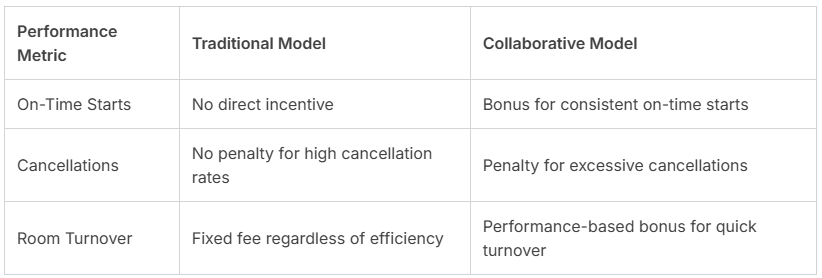
One key part of the new partnership model is making money goals match. ASCs tie pay to things like starting on time, fewer cancellations, and quick room changes. This encourages the anesthesia teams to focus on operational resilience.
Shared Accountability: A New Framework for Collaboration
The new partnership model focuses on shared accountability between ASCs and their anesthesia providers. This means talking often, solving problems together, and always trying to get better.
By doing this, ASCs can build a team that works well together. This leads to better operational excellence and a better experience for patients.
Operational Predictability: The Foundation of ASC Success
For ASCs to succeed, they must focus on operational predictability. This is key to avoiding the margin squeeze. It helps surgeons trust the facility and keeps the surgical flow smooth.
Establishing Reliable First-Case Start Metrics
Starting the first case on time is vital for a smooth day. Delays in the first case can push back other surgeries, hurting efficiency. To fix this, tracking and analyzing start times is essential.
This approach helps ASCs find and fix problems. It makes them more efficient and boosts surgeon confidence.
Optimizing Room Turnover Through Anesthesia Efficiency
Quick room turnover is key for a smooth day. Anesthesia efficiency is a big part of this. By improving anesthesia workflows and turnover protocols, ASCs can do more cases.
Implementing parallel processing during room turnover
Standardizing anesthesia protocols
Utilizing advanced technology for patient monitoring
Creating Predictable Daily Schedules That Surgeons Trust
Predictable schedules are essential for surgeon confidence. They ensure cases are done on time. We help ASCs create schedules that consider case complexity and surgeon needs.
This approach reduces cancellations and delays. It makes ASCs more efficient and improves patient satisfaction.
The Zero-Cancellation Strategy: Proactive Approaches to Patient Readiness
To avoid financial losses, ASCs need a zero-cancellation strategy. This strategy focuses on making sure patients are ready for surgery. It makes care safer and more efficient, cutting down on last-minute cancellations.
CRNA-Led Preoperative Assessment Programs
CRNA-led preoperative assessment programs are key to avoiding cancellations. CRNAs check patients thoroughly before surgery. This early check helps spot and fix problems before they cause cancellations.
Key benefits of CRNA-led programs include:
Improved patient readiness through detailed preoperative assessments
Enhanced teamwork between surgical and anesthesia teams
Less cancellations thanks to better preoperative care
Digital Solutions for Early Patient Screening
Digital tools are changing how we screen patients before surgery. They help find issues early and accurately. This makes the preoperative process smoother, cuts down on cancellations, and makes patients happier.
Effective digital solutions include:
Online patient portals for gathering preoperative info
Automated risk assessment tools
Integrated electronic health records (EHRs) for easy data sharing
Implementing Risk Stratification Protocols
Risk stratification helps identify and manage high-risk patients. It sorts patients by risk level. This way, ASCs can focus on the most critical cases and ensure they get the right care.

By using these proactive steps, ASCs can cut down on cancellations. They improve efficiency and care quality. Combining CRNA-led programs, digital screening, and risk stratification is a winning strategy for both patients and ASCs.
Building Surgeon Confidence Through Anesthesia Excellence
The success of an ASC depends on surgeon confidence. When surgeons trust the facility, they choose it for their patients. This trust comes from excellent anesthesia care.
Anesthesia teams are key to smooth surgeries. They meet surgeons' needs and improve the experience.
The Surgeon Experience: What Really Matters
Surgeons want a smooth, efficient surgery. Any problems can upset them and hurt trust. Important things for surgeons include:
Predictable and reliable anesthesia services
Efficient preoperative processes that minimize delays
Effective communication between anesthesia and surgical teams
As one surgeon said,
"A well-coordinated anesthesia team is the backbone of a successful surgical day. They anticipate our needs, and we can focus on what we do best – surgery."
Creating Anesthesia Teams That Anticipate Surgical Needs
To boost surgeon confidence, anesthesia teams must be proactive. They need to:
Understand surgeons' preferences and needs
Use efficient preoperative checks to spot issues early
Work well together and communicate openly
This way, anesthesia teams improve the surgeon experience. They make surgeries more efficient and productive.
Measuring and Improving Surgeon Satisfaction
It's important to check if surgeon confidence efforts work. This can be done by:
Surveys and feedback systems
Regular meetings to talk about concerns and ideas
Looking at data to find ways to get better
By listening to feedback and improving based on data, ASCs show they care about surgeon happiness. This builds trust with their surgical teams.
From Chaos to Control: Transforming ASC Workflow with Anesthesia-Driven Efficiency
To escape the margin squeeze, ASCs need to focus on anesthesia-driven efficiency. This focus can greatly improve their operational resilience and boost profits.
Case Studies: ASCs That Broke Free from the Margin Squeeze
Many ASCs have improved their workflow by using anesthesia-driven efficiency. For example, one ASC cut first-case delays by 30% by bettering preoperative steps. Another ASC saw a 25% jump in cases by speeding up room changes.
These examples show that with the right strategies, ASCs can beat operational hurdles and see big financial wins.
Implementing a Culture of Proactive Problem-Solving
To achieve anesthesia-driven efficiency, ASCs must build a culture of proactive problem-solving. This means:
Spotting operational bottlenecks early
Keeping good communication between anesthesia teams and ASC staff
Always looking to improve preoperative steps
By being proactive, ASCs can avoid disruptions and keep their workflow smooth.
Measuring Success: Key Performance Indicators for ASC-Anesthesia Partnership
To see how well they're doing, ASCs should watch key performance indicators (KPIs) for anesthesia-driven efficiency. These might include:

By tracking these KPIs, ASCs can see how they're doing and make smart choices to keep improving their workflow.
The Financial Upside: Quantifying the Value of Optimized Anesthesia Services
Optimizing anesthesia services can greatly improve the financial health of ASCs. By managing anesthesia better, ASCs can cut costs, increase earnings, and work more efficiently.
Calculating the ROI of Reduced Cancellations
Last-minute cancellations can cause big financial losses and disrupt schedules. By using better preoperative checks, ASCs can cut down on these cancellations. This can lead to big savings and better use of resources.
For example, fewer cancellations mean more surgeries and better use of operating rooms. This can bring in more money without spending more.
The Revenue Impact of Increased Case Volume
Optimized anesthesia services help ASCs do more surgeries, which means more money. By cutting down on wait times and starting surgeries on time, ASCs can fit in more procedures. This boosts their earnings.
Also, better management of anesthesia lets ASCs schedule surgeries better. This means they can do more surgeries and make more money.
Cost Savings Through Elimination of Overtime and Inefficiencies
Bad anesthesia practices can lead to overtime and waste. But, by making anesthesia services better, ASCs can save a lot of money. For instance, smoother workflows mean less overtime, and better preoperative checks mean fewer delays.
Also, getting rid of waste in anesthesia management can save costs. This is because resources are used more wisely.
By understanding the financial gains of better anesthesia services, ASCs can make smart choices. This not only helps their finances but also improves patient care and happiness.
Breaking Free: Your Roadmap to Anesthesia-Driven ASC Excellence
To reach top ASC excellence, focus on making operations smooth and work well with anesthesia teams. This way, ASCs can do more surgeries, cut down on cancellations, and boost their earnings from outpatient anesthesia.
Working closely with anesthesia teams helps ASCs solve problems better. This leads to happier surgeons and more money for the ASC. Our method stresses the need for reliable CRNA-led services. They keep ASCs running smoothly and protect profits.
Choosing the right anesthesia partnership model helps ASCs avoid financial tight spots. It brings the stability and predictability needed for success. This boosts overall efficiency in ASC operations.
