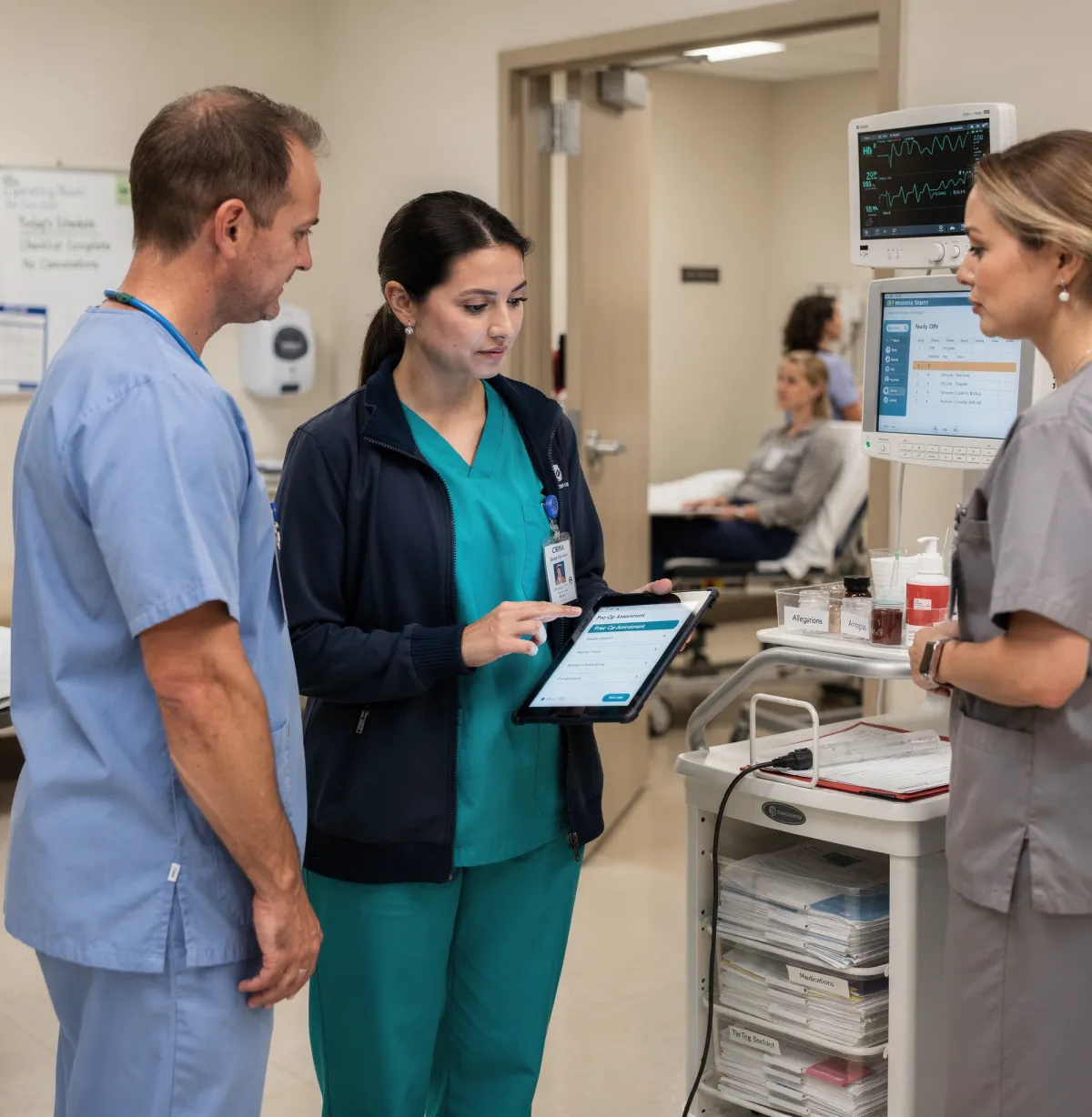
Why Pre-Op Isn’t Optional: How CRNAs Rewrite the Playbook for Efficient ASCs
Why Pre-Op Isn’t Optional: How CRNAs Rewrite the Playbook for Efficient ASCs
Ambulatory Surgery Centers (ASCs) face a big challenge. The trend of mergers and acquisitions is growing. This puts a spotlight on the preoperative process, where small issues can cause big problems.
We know how tough it can be for ASCs. Delays and poor communication from anesthesia teams are common. These issues can really slow things down.

Efficient pre-op processes are key for a smooth operation. CRNAs bring a lot of knowledge to the table. They help make the preoperative process better.
This improvement doesn't just help patients. It also cuts down on waste and makes things run more smoothly. It's a win-win for everyone involved.
Key Takeaways
Efficient pre-op processes are vital for ASC success.
CRNAs are essential in making preoperative assessment better.
Optimizing pre-op can reduce delays and cancellations.
Good communication from anesthesia teams boosts efficiency.
CRNA-led anesthesia partnerships can stabilize ASC operations.
The High Cost of Pre-Op Negligence in ASCs
In ASCs, pre-op mistakes can cause big problems. They can lead to delays and upset surgeons. If pre-op steps are not followed well, the whole day's schedule can get messed up. This leads to big problems with how things run and money issues.
First-Case Delays: The Domino Effect on Your Entire Schedule
First-case delays are a big issue. They affect the whole day's schedule. If the first case is late, the rest of the day gets pushed back.
Patients and surgeons have to wait longer.
Staff work overtime.
Less surgery happens because of tight schedules.
It's key to stop first-case delays to keep things running smoothly.
The Financial Impact of Last-Minute Cancellations
Last-minute cancellations mess up the schedule and cost a lot. The money lost includes:
Money from the cancelled surgery.
Costs for overtime or extra staff.
Patients might lose trust and not come back.
By being more efficient, ASCs can cut down on cancellations and save money.
When Surgeons Lose Faith: The Exodus Risk
Pre-op mistakes can make surgeons doubt the ASC. They might choose to operate elsewhere. This can hurt the ASC's reputation and money.
The Breaking Point: How Many Delays Before Surgeons Leave?
Surgeons can only take so much delay. If they're not happy, they might leave. Each delay or cancellation makes them more likely to go.
Reputation Damage in the Surgical Community
The surgical world talks fast. If an ASC is seen as unreliable, it loses surgeons and patients. To keep a good name, an ASC must focus on being efficient and reliable.
The Current State of ASC Pre-Op: A System Designed to Fail
The pre-op process in ASCs is often reactive, not proactive. This leads to many inefficiencies. These inefficiencies can really hurt the ASC's performance.
Reactive vs. Proactive: Why Most ASCs Get It Wrong
Most ASCs take a reactive approach to pre-op care. They deal with problems as they happen, not before. This is because they don't do enough preoperative screening. Also, the surgical and anesthesia teams don't work well together.
This reactive way can cause big problems. ASCs might have to cancel surgeries at the last minute. They might also start surgeries late.
To show how bad a reactive approach is, let's compare it to a proactive one:
Reactive ApproachProactive ApproachAddresses issues as they ariseAnticipates and prevents issuesOften results in last-minute cancellationsMinimizes cancellations through thorough pre-op screeningLeads to first-case delaysEnsures timely starts through coordinated care
Communication Breakdowns Between Surgical and Anesthesia Teams
Good communication between surgical and anesthesia teams is key. But, they often don't talk well. This can cause misunderstandings and mistakes.
These problems can lead to delays, cancellations, and bad patient care. A strong anesthesia partnership model can help. It makes communication and teamwork better.
Staff Shortages: When Pre-Op Becomes an Afterthought
Many ASCs face staff shortages. This makes pre-op care less of a priority. When there aren't enough staff, pre-op care gets neglected.
This can lead to bad screening and less attention to detail. It can also increase the risk of complications and lower patient satisfaction. Using preoperative screening CRNA services can help keep pre-op care important, even with fewer staff.
Understanding the problems with ASC pre-op care is the first step. Then, we can find ways to make it better. This will help improve how ASCs work and the care they give patients.
CRNA Preoperative Assessment ASC: The Missing Link in Operational Excellence
ASCs are finding that CRNA preoperative assessments are key to success. They know that smooth surgical workflows need more than just good scheduling. They need a full care plan that starts before surgery.
By adding CRNA-led preoperative assessments to their plans, ASCs can work better and cut down on last-minute cancellations. This approach helps patients, makes surgeons happier, and makes ASCs more profitable.
Beyond Medical Clearance: The Complete CRNA Pre-Op Approach
CRNA preoperative assessments do more than just check if it's safe to operate. We check for risks and create a special anesthesia plan for each patient. We look at their health history, meds, and past anesthesia to spot possible problems.
This detailed look at the patient's health helps make them ready for surgery. It lowers the chance of complications and makes recovery easier. This is key to avoiding surgery cancellations on the day of the operation.

Data-Driven Decision Making in Pre-Op Planning
Good pre-op planning relies on using data. We use past surgery and patient outcome data to improve our assessments. This helps us spot and fix problems before they start.
For example, if we see that some patients face more risks, we can act early. We might work with their doctors or adjust the surgery schedule to help them.
Data-Driven Decision MakingBenefitsIdentifying high-risk patientsProactive optimization and reduced complicationsAnalyzing surgical trendsInformed decision making for surgical schedulingReviewing patient outcomesContinuous improvement in preoperative care
Early Patient Optimization: Preventing Day-of-Surgery Surprises
Getting patients ready early is a big part of our CRNA-led pre-op process. We find and fix problems weeks or months before surgery. This might mean changing their lifestyle or meds to lower surgery risks.
Early optimization means fewer surprises on surgery day, less cancellations, and better results for patients. By working with patients and their teams, we make sure they're ready for surgery. This makes the whole process smoother and more efficient.
By using these strategies, ASCs can do better, save money, and make patients happier. The CRNA preoperative assessment is more than just good practice. It's essential for a successful ASC.
Transforming First-Case Starts: The CRNA Advantage
In ASCs, CRNAs are key to making first-case starts efficient and reliable. They use their clinical skills and knowledge of operations to improve the morning. This sets a good start for the day.

Pre-Op Protocols That Eliminate Morning Surprises
Good pre-op protocols are vital for smooth starts. CRNAs use detailed assessments to spot problems early. This lets them plan ahead and solve issues before surgery.
Thorough patient history reviews
Advanced anesthesia planning
Coordination with surgical teams
By setting these protocols, ASCs avoid last-minute cancellations. This ensures the first case starts on time.
Creating Accountability Through Standardized Workflows
Standard workflows keep first-case starts consistent. CRNAs work with ASC staff to create clear steps for everyone. This makes sure everyone knows their role and reduces mistakes.
Pre-defined roles and responsibilities
Time-sensitive task management
Regular feedback and continuous improvement
This approach makes start times more reliable. It also boosts the ASC's overall efficiency.
The 15-Minute Head Start: How CRNAs Can Transform Morning Efficiency
A 15-minute head start can greatly improve an ASC's day. CRNAs make pre-op smoother, manage patient flow better, and prepare resources early. This leads to:
Reduced patient wait times
Increased surgical throughput
Enhanced staff productivity
CRNAs' skills help ASCs work better. This leads to happier patients and better finances.
Building the Zero-Cancellation ASC Through Advanced Pre-Op Screening
CRNAs are changing the preoperative process, making zero-cancellation ASCs possible. They use advanced screening to cut down on last-minute cancellations. This helps make surgical schedules more efficient.
Identifying High-Risk Patients Weeks Before Surgery
The first step is to find high-risk patients early. Our CRNAs do detailed preoperative checks to spot issues that might cause cancellations. This way, we can fix problems before they happen.
Intervention Strategies That Prevent Day-of-Surgery Issues
After finding high-risk patients, we use specific strategies to fix problems. This might include adjusting medications or managing chronic conditions. Our goal is to make sure patients are ready for surgery, avoiding last-minute cancellations.

Creating a Culture of Preparedness, Not Reaction
Creating a culture of preparedness is key for a zero-cancellation ASC. We train our team to recognize and plan for any issues. This way, we ensure smooth surgeries and keep surgeons confident in our team.
Training Staff to Spot Red Flags
Our team gets thorough training to catch problems early. This helps us prevent cancellations by acting quickly.
Developing Contingency Plans for Every Scenario
We make detailed plans for any unexpected situations. This means we're always ready to handle any problem that comes up.
By using these strategies, we aim to make our ASC efficient and reliable. Zero cancellations become a standard, not just a dream. Our CRNAs are essential in this effort, working with surgeons and others to ensure smooth surgeries and the best patient care.
The CRNA as Strategic Partner: Aligning Anesthesia with ASC Business Goals
We think CRNAs can do more than just provide services. They can be key strategists for ASCs. By aligning anesthesia with ASC goals, CRNAs can boost efficiency and optimize surgical schedules.
From Service Provider to Operational Strategist
CRNAs used to just focus on patient care during surgeries. Now, they're becoming strategic planners and managers. They help ASCs avoid problems and run smoother, making operations more efficient.
Key parts of this new role include:
Spotting and fixing operational problems before they start
Working with surgical teams to plan better schedules
Using data to make decisions that improve ASC performance
Measuring CRNA Impact on ASC Efficiency Metrics
To really use CRNAs' strategic value, we need to track their impact on key ASC metrics. These might be:
Starting surgeries on time
Sticking to the surgical schedule
Keeping patients happy
Lowering operational costs
By monitoring these, ASCs can see how CRNAs help and find ways to get even better.
Building Trust: How CRNAs Become the Surgeon's Most Valuable Ally
For CRNAs to be true partners, they must build strong bonds with surgeons and others. This means:
Really getting what surgeons need and want
Always providing top-notch care
Fixing problems before they mess up the schedule
This way, CRNAs become the surgeon's go-to person. They create a team environment that helps everyone at the ASC.
Implementing a CRNA-Led Pre-Op Program: Practical Steps
A CRNA-led pre-op program can make ASCs more efficient. But, it needs careful planning. ASCs should focus on the right staff, technology, and how to handle change.
Staffing Models That Maximize Pre-Op Effectiveness
Having the right staff is key for a CRNA-led pre-op program. This means:
Looking at the current staff and finding ways to improve
Creating a flexible staff model that fits changing needs
Making sure CRNAs are trained well for pre-op tasks
A good staffing plan boosts pre-op work, makes patients happier, and improves surgery results.
Staffing ModelBenefitsChallengesFlexible StaffingAdapts to changing surgery needs, better patient flowCan lead to too many staff when it's quietDedicated CRNA TeamConsistent pre-op care, better patient prepMore costs, risk of burnout
Technology Integration for Seamless Pre-Op Workflows
Technology is essential for smooth pre-op work. With advanced software, ASCs can:
Automate gathering patient data and pre-op checks
Improve communication between teams
Make scheduling better and cut down on delays
Good tech use cuts down on paperwork. This lets CRNAs focus more on patient care.
Overcoming Resistance to Change: Getting Buy-In From All Stakeholders
Starting a CRNA-led pre-op program means big changes. To get everyone on board, ASCs should:
Involve stakeholders from the start
Offer thorough training and support
Show the program's benefits with solid data
Building a team that works together and keeps improving is key. This way, ASCs can make their CRNA-led pre-op program a success for the long haul.
Case Studies: ASCs That Revolutionized Operations Through Pre-Op Excellence
ASCs that focus on pre-op excellence are changing the game. They use detailed pre-op checks and smooth workflows. This leads to big changes in how they run every day.
From Struggling to Thriving: The 90-Day Transformation
One ASC saw a huge change in just 90 days with a CRNA-led pre-op program. Key improvements included:
Reduced first-case delays by 75%
Eliminated day-of-surgery cancellations
Increased surgeon satisfaction ratings
This quick change came from data-driven decision making and a focus on being ready for anything.
Surgeon Satisfaction and Retention: Measurable Results
ASCs that do great in pre-op care see better surgeon satisfaction. Measurable results include:
Increased surgeon retention rates
Improved surgeon satisfaction surveys
Enhanced operational efficiency
By working closely with anesthesia and surgical teams, ASCs help surgeons do their best work.
From Chaos to Clockwork: Creating the Zero-Surprise ASC
The goal for many ASCs is a "zero-surprise" workflow. This means surgeries run smoothly and surprises are rare. This is achieved through:
Predictable Schedules That Run On Time
By improving pre-op processes, ASCs keep their schedules on track. This predictability is key for a smooth workflow and using operating rooms well.
Building a Waitlist of Surgeons Eager to Operate
When surgeons see the benefits of a well-run ASC, they want to bring their cases there. This can create a waitlist of eager surgeons. This boosts the ASC's reputation and efficiency.
Conclusion: The Future of ASC Operations Begins in Pre-Op
The preoperative assessment is key to ASC operational efficiency. It's not just a step in the surgical process. It's essential for ASCs to reduce delays and cancellations. It also boosts patient satisfaction.
The CRNA preoperative assessment ASC model adds precision and care. CRNAs spot issues early, making patients ready for surgery. This makes the ASC team work better together for a smooth day.
Using a anesthesia partnership model with CRNA-led pre-op is a big change for ASCs. It's not just about one thing. It's about making the whole organization ready for anything.
ASCs face many challenges like money issues and the need to improve care. A strong pre-op strategy is vital. By focusing on pre-op care and using CRNAs' skills, ASCs can succeed in a tough healthcare world.
